

Health & Safety

High-risk industries that can’t afford to skip digital permits 

Learn why high-risk industries rely on digital permit to work management systems to reduce delays, prevent incidents, and improve compliance.
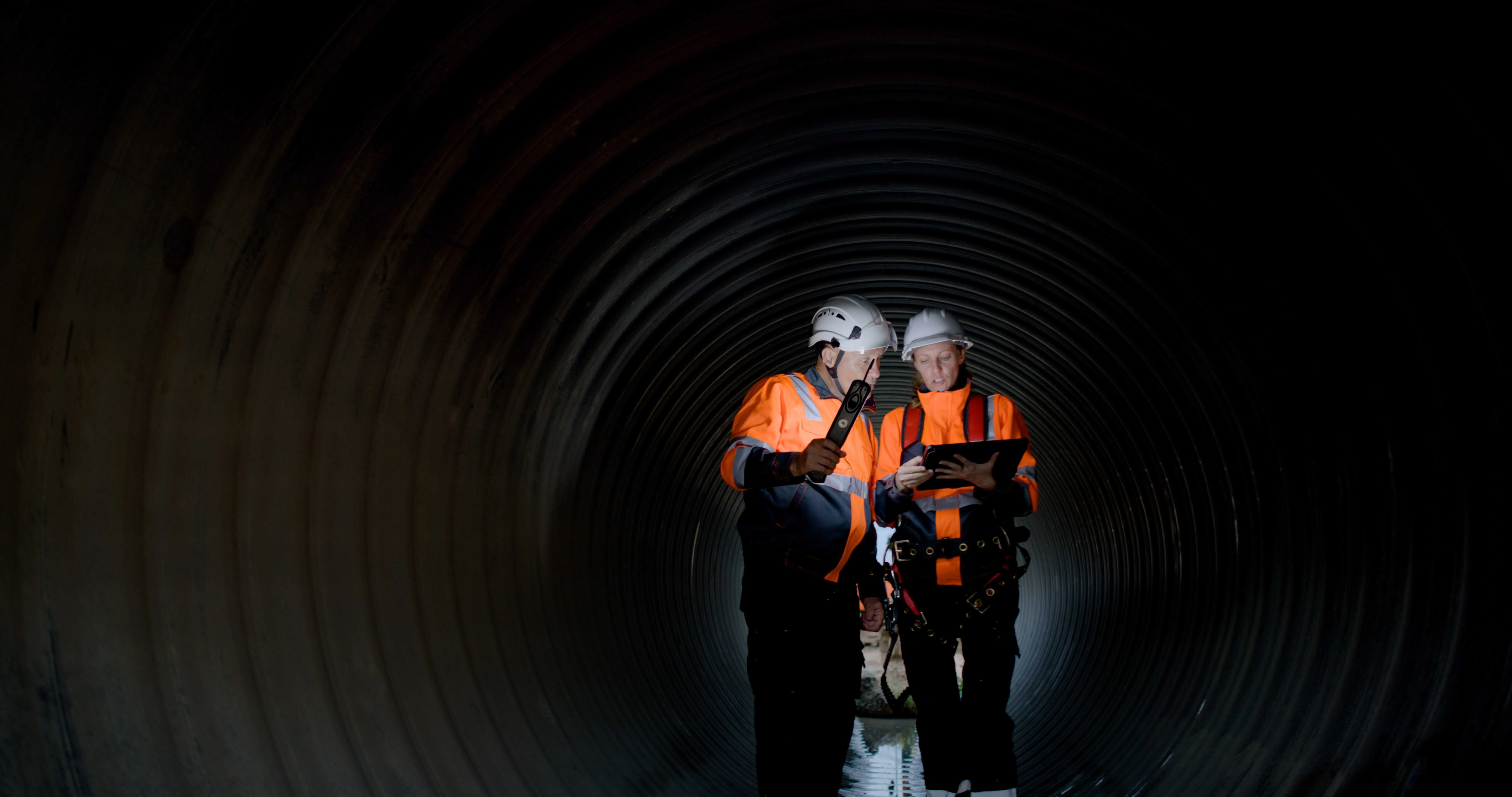
Engineers working in a tunnel
Back to all
Article
Logomark_black

By Stephanie Fuller

January 28, 2026

In high-risk industries, a single missed permit approval or overlooked isolation can be the difference between routine maintenance and a catastrophic event. Yet many organizations still rely on paper-based systems that offer zero visibility, inconsistent enforcement, and audit trails that exist only in filing cabinets.

For industries where work involves simultaneous operations, hazardous energy, confined spaces, or critical infrastructure, this approach is no longer viable. A modern permit to work management system provides the control and operational assurance that paper can’t deliver.

Table of contents

Click on a specific section below to navigate to that area:


1. Why high-risk industries rely on robust permit to work management systems

High-hazard sectors like construction, utilities, manufacturing, and waste management face unique operational pressures: tight timelines, multiple contractors working simultaneously, complex isolations, high-energy equipment, and intense regulatory oversight.

Paper permits are prone to being lost, delayed, or out of sync, especially in dynamic, high-risk environments. The consequences of poor coordination are severe and include incidents, downtime, enforcement action, reputational damage, and even loss of life.

Digital safety permit software ensures every permit is traceable, current, and visible in real time. Modern platforms unify permit workflows, risk assessments, and contractor checks into one connected system. This ensures that nothing slips through the cracks, and unsafe work is stopped before it starts. By automating competence validation, flagging incomplete documentation, and identifying potential SIMOPS, digital tools tighten control and reduce administrative burden.


2. Construction: where SIMOPS can stop a project cold

Construction sites are often home to dozens of overlapping tasks. Without real-time visibility, simultaneous operations (SIMOPS) can lead to clashes, delays, or worse. Safety permit software reduces miscommunication and prevents hazardous overlaps, making complex construction environments safer and more efficient.

The 2016 crane collapse at Battersea Power Station is a reminder of what can go wrong. A tower crane fell during lifting operations, killing two people. Multiple high-risk activities were running simultaneously across the site, but oversight was split between different contractors. The investigation found serious gaps in planning, coordination, and visibility of what was happening where.

Without a real-time view of which permits were active or whether tasks might conflict with each other, dangerous overlaps simply weren’t spotted until it was too late. It’s a tragedy that highlights the fatal consequences of inadequate SIMOPS control.


3. Utilities: controlling complex and high-energy work

Utilities manage complex systems where miscommunication can be catastrophic. Water, gas, and electrical networks demand precision. Miscommunication during an isolation procedure or a lost permit can result in serious injury or service interruption affecting thousands of customers.

In 1981, a contractor in San Francisco punctured a gas line, releasing hazardous materials and triggering the evacuation of 30,000 people. Investigators found that the root cause was a breakdown in the permit process. The incident showed how a single oversight in verification can escalate into major operational, environmental, and financial consequences.

A robust electronic permit to work system reduces these risks by enforcing mandatory checks, validating required documentation, and ensuring all safety steps are completed.

It also prevents unqualified personnel from initiating high-risk tasks by verifying competence, authorization, and training before any permit can be approved. Every action is logged in real time, creating full transparency and audit-ready records without the need for manual paperwork.


4. Manufacturing: keep production running safely

Manufacturing facilities must balance production uptime with safe maintenance, and that’s where things often get messy. It’s not unusual for teams to raise multiple permits for supporting jobs (scaffolding, isolations nearby, or cleaning prep) while assuming someone else has handled the main task.

In 1992, workers at Hickson & Welch’s Castleford facility began cleaning a still (that had been untouched for 31 years) without testing the sludge or checking for flammable vapors. Multiple permits covered peripheral tasks like removing the manhole cover, but none authorized the actual raking work. When a metal rake scraped heated residue, it ignited vapors, unleashing a jet fire that destroyed the control building and killed workers positioned in nearby offices.

This tragedy exposes fragmented permit systems’ fatal flaw: critical tasks fall between paperwork gaps while teams assume someone else handled authorization.

Digital permit to work systems prevent these gaps by pulling everything, like approvals, lockout/tagout steps, isolations, RAMS, and training checks, into one connected workflow. Work won’t start until all requirements are met.


5. Waste & environmental services: hazardous materials, confined spaces, and fleet movements

Field workers in the waste and environmental sector often face confined space risks, chemical exposure, and heavy equipment movement.

In one tragic 2022 incident, a contractor entered a newly installed sewer manhole without atmospheric testing or a valid confined-space permit. Two workers lost consciousness shortly after entry and died from oxygen deficiency. Regulatory investigators determined the employer failed to test oxygen levels, provide rescue equipment, or complete necessary entry permits.

This fatal event underscores how easily a lack of proper control can turn routine maintenance into catastrophe and cost lives. A digital permit to work management system would have prevented this by enforcing pre-entry checks, logging required safety steps, and blocking permit issuance until all atmospheric testing, ventilation, and rescue planning were confirmed.

Real-time oversight and automatic checks would have ensured work couldn’t begin until safe conditions were verified.


6. The common thread: digital permits reduce risks and costly delays

For high-risk industries, the risks are real and the costs are high. Paper systems fail at scale because they lack visibility, accountability, and real-time communication.

It’s clear that digital permit systems are no longer optional; they are critical to risk management, legal compliance, and uninterrupted operations.

Organizations that adopt an electronic permit to work system report reduced permit cycle times, fewer SIMOPS incidents, stronger compliance evidence, and hours saved daily. These aren’t marginal gains, they represent fundamental improvements in how high-risk work is controlled.

See how EcoOnline’s ePermits gives high-risk industries real-time control, traceability, and compliance confidence. Book a demo today!

About the author

Logomark_black

Stephanie Fuller

Content Writer

Stephanie Fuller is a Content Writer at EcoOnline with a Master’s Degree in Journalism and over 10 years of agency writing experience across diverse industries. She is passionate about health and safety topics and is dedicated to helping employers create safer, more supportive workplaces.

Explore More