

The construction productivity playbook: How safe work practices protect your schedule

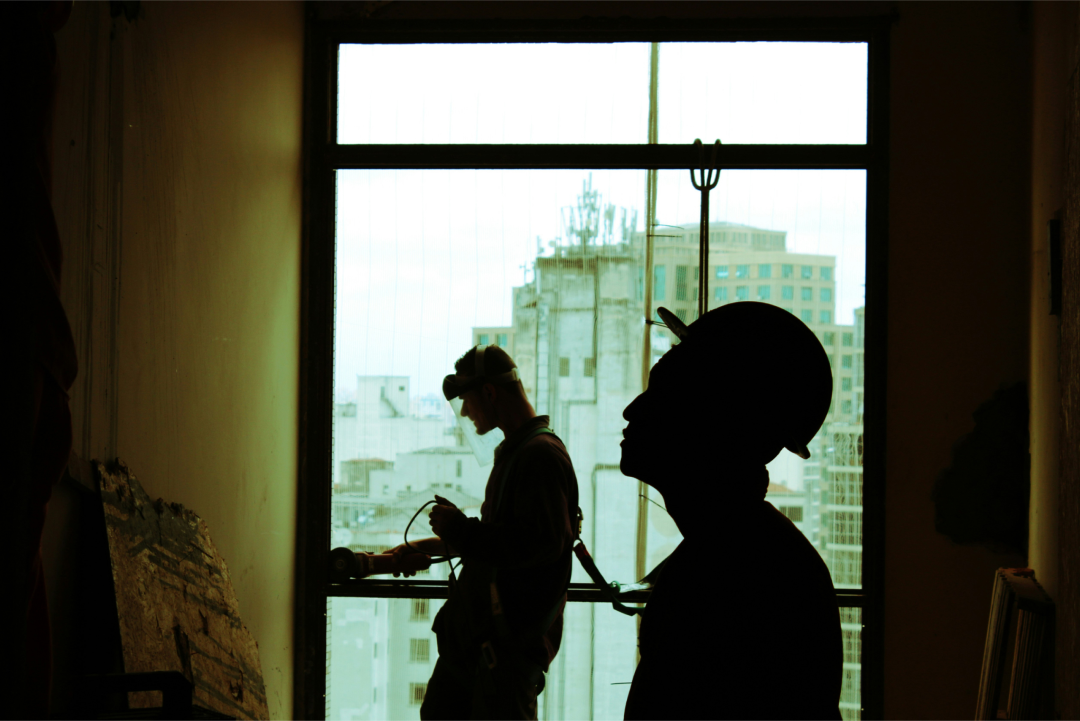
Two builders inside building
Back to all
Guide
January 12, 2026

Well-known challenges

Construction productivity is being squeezed from both sides. Every construction leader knows the pressure: tighter margins, leaner crews, compressed timelines. When a project falls behind, the costs pile up fast.

In this environment, “productivity” isn’t about pushing people harder. It’s about keeping work moving. What most don’t realise is that the biggest schedule killers aren’t the obvious delays. Preventable incidents, unsafe work starts, and contractor misalignments eat away at productivity before anyone even notices.

Safe work practices protect schedules and margins. They help teams work efficiently, align contractors, and prevent delays before they impact delivery.

Why construction projects fall behind schedule

Most construction delays aren’t caused by one single dramatic event. They’re caused by lots of small, preventable breakdowns that add friction to the job. Here are some common causes that derail project timelines.

  • Incidents that stop work entirely: Falls, struck-by incidents, or exposures to hazardous materials don’t just injure workers; they shut down operations. Investigation protocols kick in, regulatory bodies get involved, and crews stand idle while project managers scramble to respond.
  • Unsafe work starts: When a crew begins work without the right permits, equipment checks, or hazard controls in place, it leads to two outcomes. Either someone catches it and halts the work (wasting time and resources), or no one catches it until something goes wrong (triggering a much bigger delay, not to mention potential major incidents). Both scenarios delay delivery.
  • Contractor misalignment: Outdated key certifications, unsuitable equipment, or incomplete inductions cause contractors to make costly decisions. Delay the work or start unprepared and deal with the fallout later. You’re pulled into firefighting instead of keeping the job moving.
  • Rework loops: Safety shortcuts lead to quality failures like improper installation, structural defects, and compliance violations. You pay twice: once for the original work, then again to tear it out and rebuild it correctly.
  • Communication breakdowns: Multi-employer sites create complexity. Site A doesn’t know what’s happening on Site B. Shift handovers miss critical safety details. Contractors aren’t aligned on protocols. Coordination failures create cascading construction delays.
UKIE 1 Dark

Want to see how all the different solutions stack up?

The safety-productivity connection

Many construction leaders don’t realise that safety isn’t separate from productivity. It’s fundamental to it.

Because when a crew has confidence in their safe work systems, they move faster. When contractors know exactly what’s required before they start, work begins on time. When hazards are controlled before anyone steps on site, there are no mid-project stoppages. The connection isn’t just logical; it shows up in your financials.

Safety and productivity are linked through one thing: flow.

That shows up as:

  • Stop-start execution: Work is paused while controls are fixed or re-approved.
  • Bottlenecks at handover: Next shift or next trade can’t proceed confidently.
  • Extra supervision and admin: Precious time spent chasing documents, verifying competence and checking what’s actually happening.
  • Slower decisions: When you don’t have real-time visibility of readiness and risk on-site.

On paper, you might still be “on programme.” In reality, you’re stacking risks and forcing teams into acceleration later when it’s more expensive and less controlled.

High-performing firms track what predicts problems, not just what’s already gone wrong. Permit compliance rates, contractor readiness scores, hazard observations, and training currency. These leading indicators tell you if you’re building risk before it shows up as an incident or delay. And when your direct employees are only 30% of the workforce on site, getting contractor alignment right isn’t optional. It’s how you protect the entire project timeline, not just a fraction of it.

Safe work practices that protect construction schedules

So, what does this look like in practice? How do you turn safety into a schedule advantage?

It isn’t about adding more processes. It’s about tightening the few disciplines that keep high-risk work controlled and predictable, especially with contractors, shift changes, and multiple permits running at once.

1) Permit to work (PTW)

Every high-risk task (hot work, confined space entry, working at height, excavation) requires a permit. If your permit system is paper-based, fragmented, or manual, it becomes a bottleneck rather than a safeguard. Digital permit systems change all that.

A solid permit system helps you:

  • Confirm conditions before work starts (so you avoid unsafe starts)
  • Manage clashes between tasks (so trades aren’t tripping over each other)
  • Handle extensions and shift handovers cleanly (so control doesn’t degrade over time)

No more work stoppages because someone started without authorisation. No more scrambling to source documentation. No more delays waiting for permit approvals.

2) Contractor readiness that eliminates pre-start delays

Multi-employer sites don’t fail because contractors are “bad”; they fail because readiness is inconsistent and poorly verified. Before any contractor steps on site, you need proof that they’re fit for work.

Chasing this documentation manually wastes days. Centralising it digitally takes minutes. When contractor readiness is verified in advance, work starts on schedule.

Readiness means:

  • Induction is complete and current
  • Training and competency are verified for the task
  • Site rules and controls understood
  • Job-specific risk controls are clear before work begins

With digital systems, contractors show up prepared, work begins on time, and you avoid the last-minute scrambles that compress schedules and increase risk.

3) Real-time visibility into leading indicators

If you don’t know what’s happening across your sites until the daily report comes in, you’re managing by hindsight. Real-time dashboards change that.

Real-time visibility answers:

  • Which high-risk activities are live right now?
  • Are people verified as competent and ready for the tasks they’re doing?
  • Where are controls drifting?
  • Where are we likely to lose time next?

Leading indicators like readiness checks, safe-work verifications and observations give you early warning, so you can address issues while they’re still small and protect the schedule.

4) Standardised workflows across sites and employees

Every time a crew has to work out a different safety process, you add variability.

Standardising safe work practices with consistent permit flows, hazard controls, and verification steps removes confusion. Everyone knows what’s expected before they arrive, regardless of the site or who they work for.

When workflows are consistent:

  • Onboarding is faster
  • Training carries across projects
  • Compliance is easier to maintain
  • Productivity stays steady from job to job 

Standardisation doesn’t make work rigid. It removes the guesswork so that crews can focus on getting the job done. When these controls are missing or allowed to drift, the impact isn’t theoretical. It shows up directly in time lost and money spent.

The cost of rework and downtime in construction

Rework and construction downtime rarely hit one line item. They spread across the entire project. That’s why they’re so costly.

The commercial impact usually includes:

  • Lost productive hours across multiple trades (not just the team that stopped)
  • Extended prelims and overheads when the programme stretches
  • Knock-on delays that force resequencing and weekend working
  • Higher total cost of risk, not only in claims, but in disruption and management time
  • Client confidence erosion (and that shows up later in bid conversations)

And once you’re behind, the recovery plan often introduces more risk: crowded workfaces, rushed handovers, shortcuts, and fatigue. That’s when “reduce rework construction” becomes less about quality and more about controlling the conditions that create rework in the first place.

High-performing construction firms treat these costs as avoidable. They’ve built safe work systems that prevent incidents, eliminate rework loops, and keep projects moving forward. The result? Better margins, stronger client relationships, and the competitive advantage that comes from reliable delivery.

UKIE 2 Dark

How high-performing construction firms align safety and productivity

The construction firms consistently delivering on time and on budget share common practices. They’ve stopped reacting to problems and built proactive systems that protect both people and schedules.

Here’s what that looks like in practice, and how you can apply the same principles.

  • 1. They digitalise before they scale: Paper-based safety systems collapse the moment you’re under pressure. Projects ramp up, contractor numbers multiply, operations spread across sites, and suddenly your manual processes can’t keep up with reality.
  • 2. They cut out the friction: Nobody wants to spend half their day hunting down documents or second-guessing whether work is actually controlled. Digital systems mean faster decisions, fewer blind spots, and real confidence before work starts.
  • 3. They standardise without stifling: Yes, every project has its quirks. But your core safety processes shouldn’t change site to site. When teams aren’t constantly relearning the rules or figuring out new workflows, they move faster and make fewer mistakes.
  • 4. They bring contractors into the fold properly: A safety culture isn’t motivational posters in the site office. It’s everyone (your people and theirs) held to the same standards, with the same verification steps, working from the same playbook. That’s when coordination works, and handovers don’t become a liability.
  • 5. They track what predicts problems, not just what records them: Incident rates tell you what went wrong last month. Things like permit turnaround times, contractor readiness scores, and training compliance tell you what’s about to go wrong. Real-time monitoring means you catch issues while they’re still manageable.
  • 6. They learn from their own data: The best operators don’t just move faster when problems hit. They make sure the same problems don’t come back. They spot patterns, adjust workflows, and close gaps. Safety improves, productivity follows, and management time shifts from firefighting to prevention.

Turning safety into a competitive advantage for construction productivity

Here’s what separates the construction firms winning competitive tenders from everyone else: they can prove their safety performance protects client schedules and budgets.

When clients evaluate contractors, they’re not just looking at your incident rate. They’re assessing your ability to deliver. Can you complete the project on time? Will quality issues create costly delays? Will your safety record expose them to reputational risk? High-performing contractors answer these questions with data.

When margins are tight, predictable delivery becomes the differentiator. Clients aren’t buying a price; they’re buying confidence. Confidence you can mobilise quickly, control risk across subcontractors, and deliver without surprises.

Build the business case clients want to see: Your safety metrics are proxy indicators for operational maturity. Low incident rates signal effective risk management. High permit compliance rates demonstrate process discipline. Strong contractor oversight proves coordination capability. When you present this data credibly, you differentiate in competitive bidding.

Make safety work for the schedule, not against it: Fewer delays as work starts under verified conditions. Less downtime because controls don’t drift unnoticed. Reduced rework because readiness and responsibilities are clear before execution. Stronger bid credibility because you can demonstrate control, not just intent.

Reduce the total cost of risk: Consider insurance premiums, incident costs, schedule delays, rework expenses, and opportunity costs from lost bids. When you add it up, risk is expensive. High-performing construction firms systematically reduce their total cost of risk through better safe work systems, and the savings flow straight to the bottom line.

Turn your reputation into revenue: Construction is a relationship business. Clients remember which contractors deliver safely and on schedule. Workers remember which employers protect them. Subcontractors remember which general contractors make their jobs easier. Build a reputation for operational excellence backed by safety systems that actually work, and you create a flywheel: better projects, better talent, better margins.

Construction will always involve risk, complexity, and schedule pressure. But the firms thriving in this environment aren’t treating safety as separate from operational performance. They’ve built systems where safe work practices protect productivity, enable coordination, and create a measurable competitive advantage.

UKIE 4 Dark

Safety is the foundation of predictable delivery

Schedule pressure isn’t easing up. Margins aren’t getting wider. Contractor coordination isn’t becoming simpler. What separates firms that deliver consistently from those that struggle is how effectively they’ve woven safety into the way they actually operate.

When work is done safely, it’s done right the first time. Safe work practices are how high-performing firms protect the schedule, keeping mobilisation smooth, execution steady, and delivery predictable, especially when crews are lean and timelines are tight. This isn’t about choosing between safety and productivity. In construction, they’re the same thing.

The firms winning competitive work and protecting their margins have already made this shift. They’ve digitalised their permit systems, standardised their contractor management, and built real-time visibility into operational risk. The question for your organisation: are your safe work practices protecting your schedule, or creating friction? The answer determines whether you’re competing on price alone or building a sustainable advantage through operational excellence.

Remember: safety done well doesn’t compete with productivity. It enables it.

FAQs

They reduce variability. When controls are verified upfront, contractor readiness stays consistent, and leaders can see what’s happening in real time, work proceeds with fewer stoppages, fewer handover issues, and less rework.

Incidents, unsafe starts, rework, and contractor misalignment, especially on multi-employer sites, where one disruption cascades across multiple crews.

Focus on preparation, not policing. Clear responsibilities, verified competence, controlled permit-to-work systems, and leading indicators that flag drift early before rework becomes your only option.

Start with the commonalities: permit workflows, contractor verification, hazard controls, and incident reporting. Build a core framework that applies everywhere, then create project-type-specific modules that plug in as needed. This gives you consistency where it matters while maintaining flexibility for specialised work.

Track both leading and lagging indicators: permit approval times, contractor readiness completion rates, time lost to incidents, rework percentages, schedule variance, and total cost of risk. The combination shows both operational efficiency gains and risk reduction.